by Mia Ilavska
December 12, 2024
Pardubice Smart Parking Case Study: How One City Digitalized 3,815 Spaces

Table of content
The challenge
Like most mid-sized cities, Pardubice had a parking problem it could not actually see. Occupancy was a guess, enforcement was patchy, and the city had no reliable way to know which streets were full and when. As a result, residents competed with visitors for the same spaces, and the city could not plan policy without paying for expensive external surveys.
Above all, the city wanted proof before committing. Therefore it started with a pilot, not a full rollout.
The solution
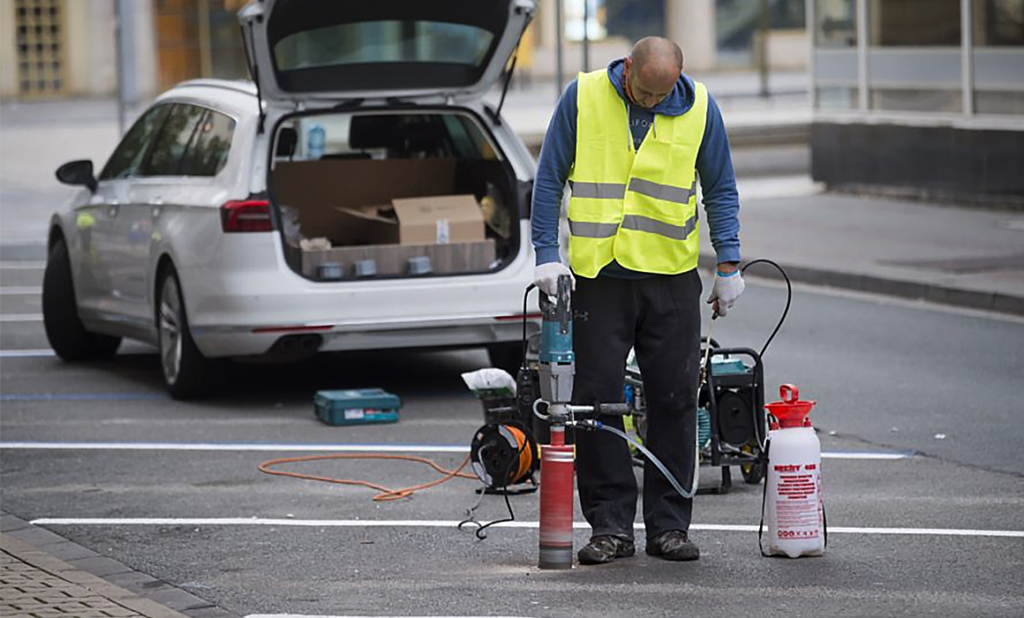
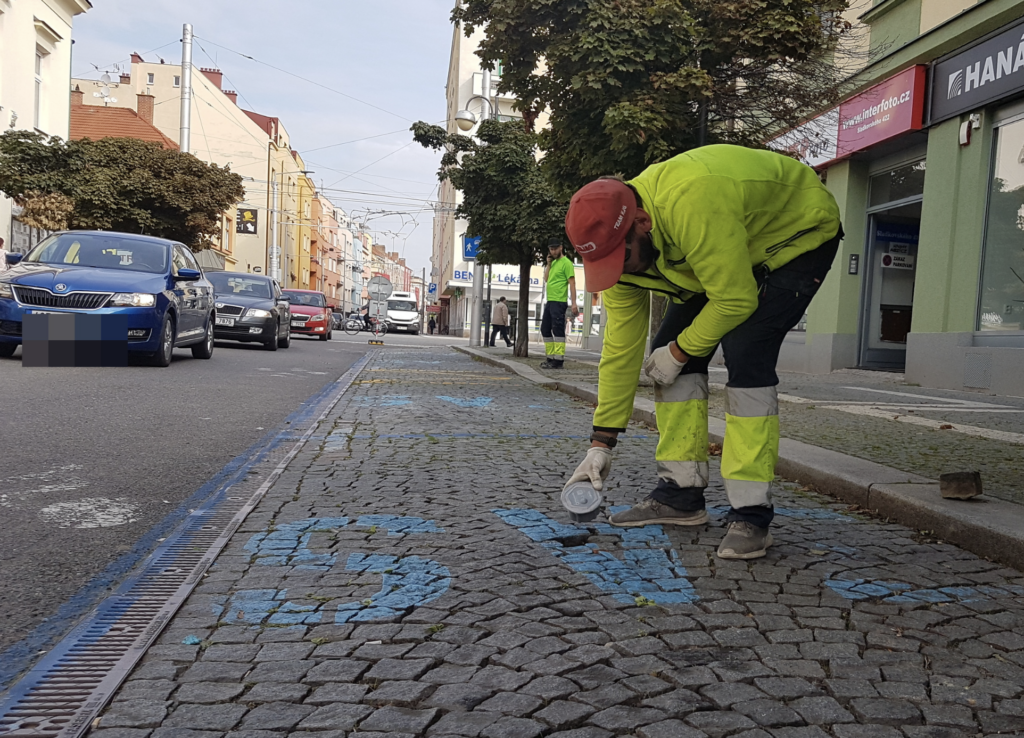
First, Fleximodo and its partners ran a trial to confirm the technology in real conditions. Because the pilot met every technical requirement, Pardubice extended the system across the whole city. The final deployment combined several layers.
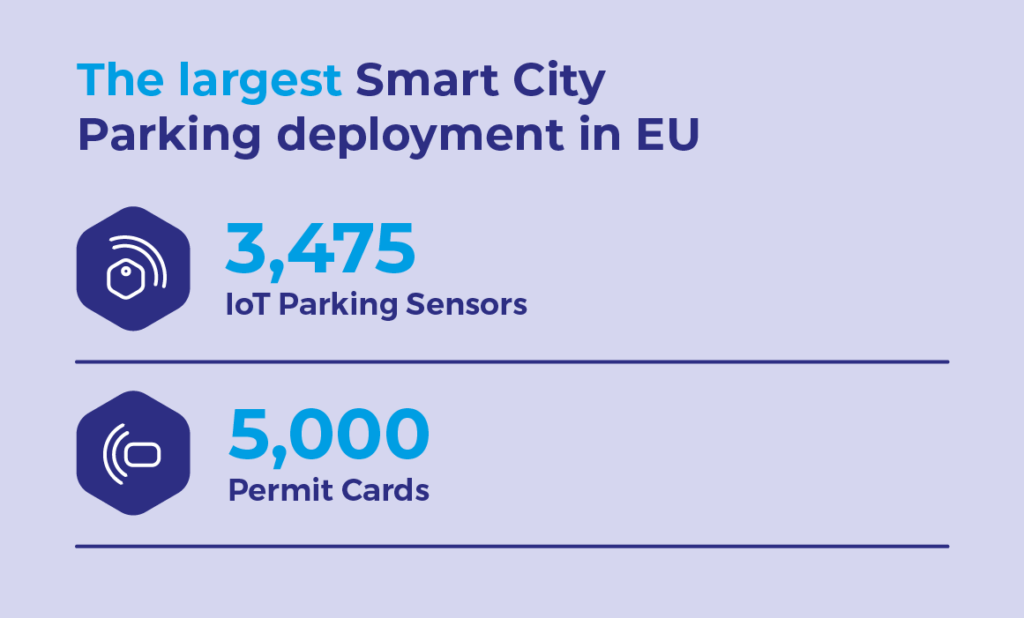
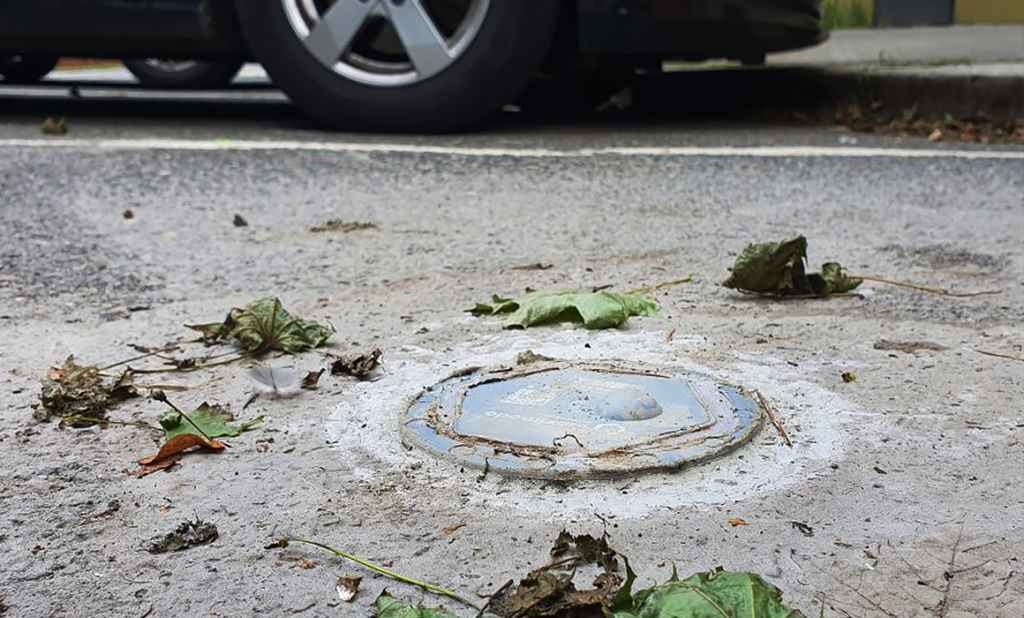
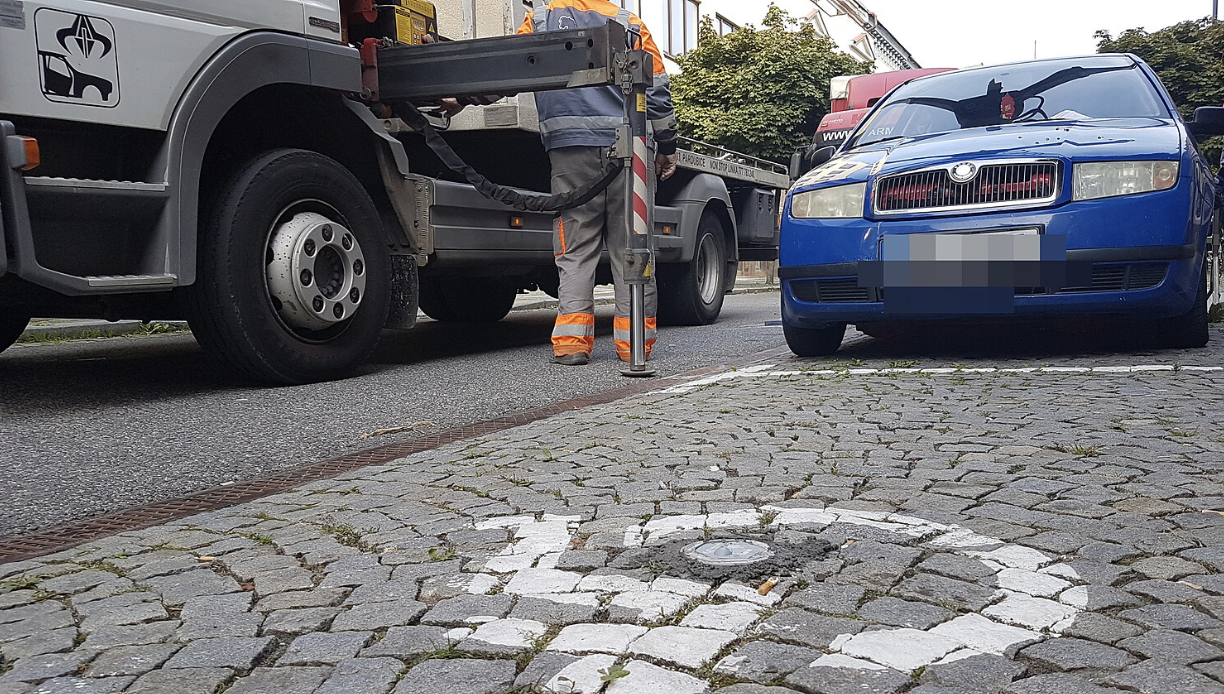
- 3,421 IoT parking sensors, one per space, detecting occupancy through a magnetometer confirmed by radar. For the detail on that method, see how parking sensors work.
- 5,000 electronic identifier tokens (PepIQ) for residents and permit holders.
- 12 LED information panels guiding drivers to free areas.
- 91 parking meters, handling 65,000 to 75,000 transactions a month.
- A camera layer covering roughly 800 spaces for wider enforcement.
Together, these feed one platform, so the city sees every space, payment, and violation in real time. To understand how those layers connect, read our guide to the digital parking management system.
The results
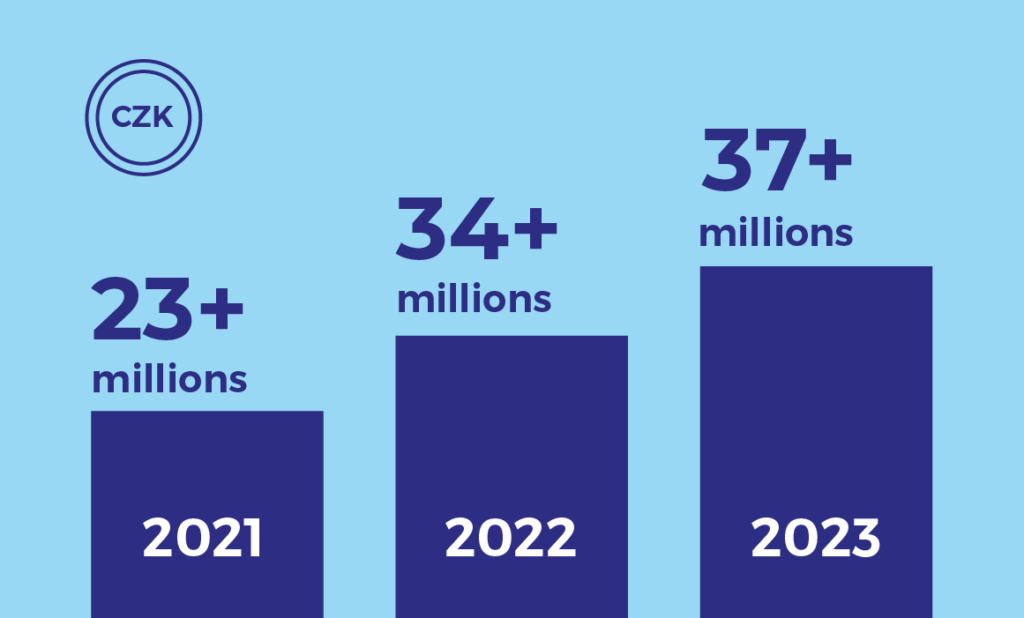
The numbers moved fast. Annual parking revenue climbed from CZK 23 million to CZK 40 million over three years. Meanwhile, monthly electronic payments jumped from CZK 200,000 to about CZK 1 million, as drivers shifted to digital methods. And compliance rose above 90%, because accurate detection made enforcement fair and consistent.
The 99.96% detection accuracy mattered here. Without it, none of the revenue or compliance gains would hold up, since a system that misreads spaces loses the trust of drivers and wardens alike.
The data also changed how the city plans. As Deputy Mayor for Transportation Petr Kvaš put it, real-time information lets Pardubice shape parking policy without commissioning costly external analyses. In other words, the sensors pay back twice: once at the meter, and again in better decisions.
What this smart parking case study shows?
This became the largest deployment of smart parking technology in Europe," says Pavol Turčina, CEO of GOSPACE LABS. "It positioned Pardubice as a pioneer, and it proved that a whole city can rethink how it manages parking at scale."
Here is the part worth keeping. Pardubice did not build a single new parking space. Instead, it used the spaces it already had, far more efficiently, by making them visible. That is the Parking Paradox in practice: the fastest fix for a parking problem is rarely more concrete, but better data.
For other cities weighing the same move, the lesson is simple. Start with a pilot, insist on accuracy, and let the data justify the rollout. See how the approach fits municipal parking more broadly.
Smart parking case study: FAQ
What did Pardubice achieve with smart parking?
Pardubice digitalized 3,815 spaces with 3,421 IoT sensors and grew annual parking revenue from CZK 23 million to CZK 40 million in three years, while pushing compliance above 90% and lifting monthly e-payments from CZK 200,000 to about CZK 1 million.
How many sensors were installed in Pardubice?
The city deployed 3,421 Fleximodo IoT parking sensors, one per space, alongside 12 LED panels, 91 parking meters, and 5,000 electronic identifier tokens.
How accurate is the Pardubice parking system?
The sensors detect occupancy at 99.96% accuracy by combining a magnetometer with radar confirmation, which is what makes the enforcement and revenue results reliable.
Why did Pardubice start with a pilot?
The city wanted proof before a full rollout. Because the pilot met every technical requirement, Pardubice extended the system citywide.
